

Aria Oncology
Transform your oncology practice with ARIA EMR, the specialized EHR that centralizes patient data and streamlines workflows for better care.
Key Insights
Derived from customer feedback, ARIA EMR is an electronic health record tailored for oncology, utilized by radiation oncologists, medical physicists, dosimetrists, and chemotherapy teams in cancer treatment centers and hospital oncology departments. Users frequently appreciate its ability to consolidate patient information and enhance clinical processes. Nonetheless, there are recurring issues noted by users regarding system speed and sporadic technical glitches.
Our Assessment
ARIA EMR is ideal for extensive cancer treatment facilities and hospital oncology departments that handle complex workflows. Healthcare teams operating at an enterprise level gain the most from its integrated data framework. The pricing structure aligns with its enterprise focus, which may pose a challenge for smaller practices. However, for organizations that possess the financial means and required scale, it represents a valuable long-term investment.
What Is ARIA EMR?
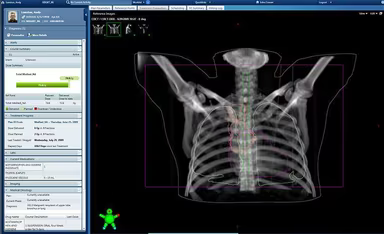
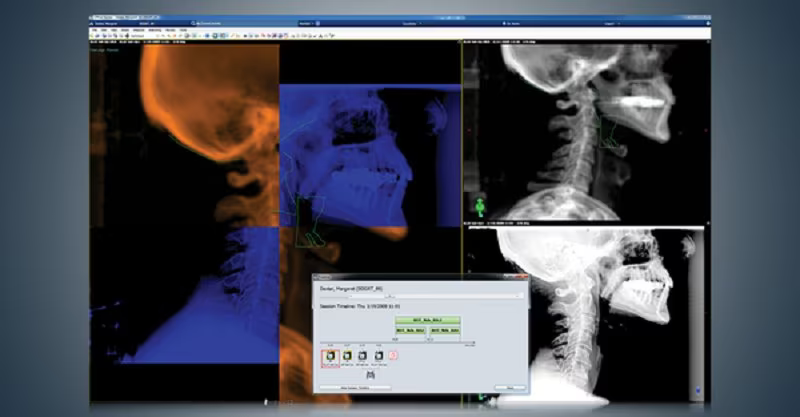
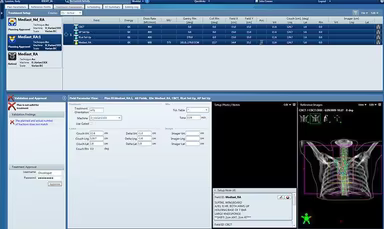
ARIA EMR is a comprehensive oncology information system that operates on-premises, created by Varian Medical Systems, a subsidiary of Siemens Healthineers. Tailored specifically for professionals including radiation oncologists, medical oncologists, physicists, and dosimetrists in cancer treatment centers and extensive oncology practices, this software provides functionalities like treatment plan management, image evaluation, charge posting, and tracking health assessments.
This platform integrates data from radiation, medical, and surgical oncology into a singular, oncology-focused electronic health record (EHR). It aids healthcare teams in minimizing administrative tasks, coordinating workflows across various disciplines, and overseeing every phase of the patient experience from the initial diagnosis to post-treatment follow-up.
What Is ARIA EMR Best Known For?
ARIA EMR is particularly renowned for its flawless integration of the treatment planning system with imaging and treatment consoles. This feature enables care teams to access comprehensive, real-time patient information without the hassle of switching systems or manually re-entering data.
ARIA EMR Integrations
The vendor has not provided information regarding any third-party integrations for this software. To gain insights into its features and possible compatibility, consider requesting a demo of ARIA EMR.
How Much Does ARIA EMR Cost?
The pricing for ARIA EMR typically ranges from $1,500 to $10,000 per user each month. This estimate is based on industry standards for high-quality oncology information systems that integrate radiation therapy, medical oncology, and imaging management capabilities.
The following range is intended for budgeting estimates as actual expenses may vary depending on factors such as the number of licensed modules, facility size, treatment machine count, and the complexity of the clinical environment being supported:
Implementation And Onboarding: $50,000 to $200,000 - This includes system configuration, clinical workflow setup, training for staff across roles like physicists, dosimetrists, and radiation therapists, along with integration into existing hospital infrastructure.
Hardware And On-Premises Infrastructure: $20,000 to $100,000+ - Encompasses server setup, networking infrastructure, and workstation provisioning necessary for on-premises deployment throughout treatment areas and administrative departments.
Third-Party Integrations: $10,000 to $50,000 - Involves connecting ARIA EMR with hospital information systems, laboratory platforms, pharmacy systems, and billing software through HL7 and DICOM interfaces.
Annual Maintenance And Support: $15,000 to $75,000 per year - Covers ongoing technical assistance, software updates, compliance maintenance, and access to vendor service resources.
For a tailored cost quote regarding ARIA EMR for your organization, please reach out.
Note: Pricing details are derived from publicly accessible third-party sources and industry benchmarks. Actual costs may differ.
How Does ARIA EMR Work?
Once onboarding is completed, here's how to begin using the software:
Log into the administrator or clinician dashboard to access the centralized oncology workspace.
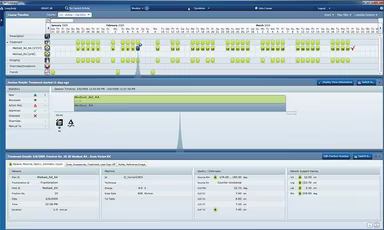
Check the main patient management dashboard to keep track of appointments, treatment schedules, and active care plans.
Use role-based portals for workflows related to radiation oncology, medical oncology, scheduling, and billing.
Set up user roles, permissions, and department access for physicians, nurses, physicists, and administrative personnel.
Create or access patient records to review clinical histories, imaging data, treatment notes, and documentation.
Assign treatment plans along with tasks and follow-up workflows to relevant care teams across departments.
Monitor live updates on treatment progress along with dose delivery records and alerts from the clinical decision support panel.
Who Is ARIA EMR For?
The ARIA EMR software caters to various industries and sectors such as:
Oncology
Healthcare technology
Radiation therapy
Medical oncology
Hospital management
Clinical research
Digital health
ARIA EMR Use Cases
Based on an analysis of the product's capabilities alongside typical oncology workflows, we have pinpointed key scenarios where this software excels for healthcare organizations and cancer care providers:
Large Cancer Centers Coordinating Multidisciplinary Treatment: Cancer centers that manage diverse oncology workflows often utilize ARIA EMR to unify patient data across various departments. Here clinicians collaborate on a single treatment plan while ensuring data accuracy. This coordinated decision-making is crucial in high-volume centers where fragmented systems may lead to delays or inconsistencies.
Radiation Oncology Departments Requiring Precise Treatment Tracking: Teams in radiation oncology find value in ARIA EMR when precision in treatment tracking is essential. The platform allows clinicians to monitor planned versus delivered doses while reviewing imaging within one workflow. This minimizes manual error risks and ensures compliance with stringent treatment protocols. It’s particularly advantageous for facilities dealing with complex radiotherapy cases needing constant scrutiny.
Hospitals Standardizing Oncology Documentation And Compliance: Facilities that aim for consistent oncology documentation across various departments often implement ARIA EMR to establish structured workflows. The system standardizes patient records and treatment notes which is vital for regulatory compliance. Administrators can oversee documentation quality while ensuring adherence to clinical guidelines without relying on disparate systems. This makes it ideal for institutions focusing on quality assurance and readiness for accreditation.
Medical Oncology Practices Managing Chemotherapy Protocols: Specialized clinics administering chemotherapy treatments leverage ARIA EMR to handle intricate dosing protocols. In these scenarios clinicians need to balance patient-specific variables against standardized treatments. The platform centralizes regimen data along with patient records reducing the chance of dosing errors. It proves especially effective in practices managing a high volume of infusion-based treatments.
Academic Medical Institutions Running Clinical Trials: Research-driven healthcare institutions frequently use ARIA EMR to oversee clinical trials alongside standard patient care. These environments necessitate organized data collection alongside protocol tracking. The system enables research teams to align trial documentation with clinical workflows without duplicating efforts. This makes it particularly suitable for teaching hospitals conducting oncology research while providing patient care.
Is ARIA EMR Right For You?
If you are seeking an oncology-specific electronic medical record that integrates treatment planning with imaging and patient management into one cohesive system? ARIA EMR consolidates fragmented oncology data facilitating coordinated care across multidisciplinary teams while reducing delays and enhancing workflow efficiency. It also supports audit-ready documentation through structured records aligned with regulatory reporting standards.
The software adheres to HIPAA-compliant workflows ensuring patient data security throughout oncology care processes. It features secure access controls along with audit trails while maintaining compliant documentation in line with healthcare regulations.
This platform boasts enterprise-level security measures alongside robust data management practices guaranteeing secure access alongside dependable performance within large healthcare settings.
If you're still uncertain whether ARIA EMR suits your needs? Please reach out to our customer support team at info@softwareseekers.com who can assist you in evaluating whether ARIA EMR is right for you based on its features among other considerations.