

Cerner EMR
Streamline healthcare operations with Cerner EMR, featuring advanced reporting and AI-driven insights to enhance data management and coordination.
Key Insights
Derived from customer feedback, Cerner EMR stands out for its exceptional interoperability, scalability, and sophisticated reporting capabilities, making it a preferred option for extensive healthcare systems. Users commend its ability to handle data management and coordination effectively; however, some consider the interface to be quite intricate. In a recent update, Cerner unveiled the Oracle Health Clinical AI Agent, designed to minimize documentation efforts and enhance real-time clinical insights.
Our Assessment
Cerner EMR serves as a cloud-based and scalable platform that is particularly well-suited for extensive healthcare networks and hospitals dealing with intricate operations. While it does not demand heavy hardware resources, adequate training is necessary for optimal use. The pricing structure is tailored to each organization, depending on factors such as size, specialty, and scope of deployment. Its comprehensive interoperability guarantees smooth data exchange among various departments.
What Is Cerner EMR?
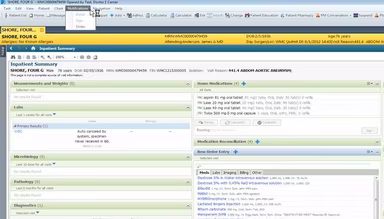
Cerner EMR, currently operating under the name Oracle Health, is a comprehensive suite of medical software solutions that are widely adopted by healthcare institutions around the globe. This platform provides diverse insights into patient care across both inpatient and outpatient environments, making treatment delivery transparent and accountable.
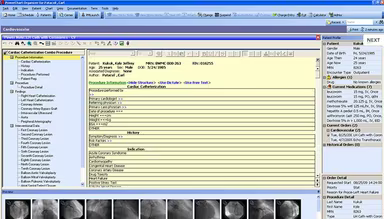
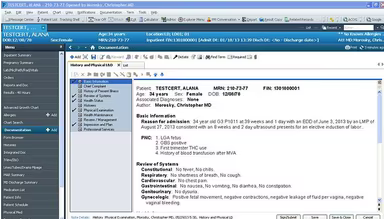
The EMR solution, known as Millennium®, features robust analytics capabilities and includes tools for clinical documentation, Dragon Voice Recognition, and the creation of longitudinal patient records, all aimed at enhancing the patient experience.
In the U.S. healthcare IT market, Cerner holds a significant position with a market share of 21.8%. Over 2,000 hospitals utilize Oracle Cerner EMR systems, ranking it among the most prevalent EMR options worldwide. The vendor excels in transforming modern healthcare delivery through cutting-edge technological advancements.
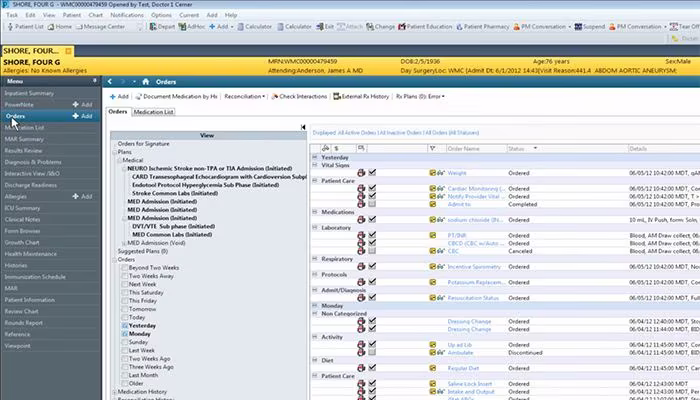
Moreover, the platform encompasses a wide range of features and services, such as the PowerChart® Electronic Medical Record system designed for managing records across multiple facilities; extensive analytics tools; various clinical documentation resources; and much more.
In summary, Cerner serves as an effective solution for healthcare organizations looking to optimize their operations, access essential patient information, and enhance their return on investment.
What Is Cerner EHR Best For?
The Cerner electronic health record (EHR) system is particularly advantageous for hospitals and health systems that need to manage large volumes of data while maintaining high-quality care. It allows for organized patient records across different locations and simplifies ordering processes.
Additionally, this software provides robust analytics tools that empower medical professionals to comprehend their patients' needs better, facilitating personalized treatment plans. This data-driven approach is what distinguishes Cerner from its competitors by converting intricate clinical data into actionable insights. It aids providers in making informed decisions, anticipating patient risks, and delivering precise, individualized care throughout every treatment phase.
How Much Does Cerner EMR Cost?
The overall cost of Cerner can vary based on several factors including business size, user count, customizations, and more. Prospective clients are encouraged to request a customized quote for Cerner EMR pricing tailored to their specific needs.
Disclaimer: Prices may change over time
Cerner EMR Integrations
Cerner's integrations provide healthcare professionals with a holistic view of a patient's condition through streamlined data access. The following integrations are available with Cerner EMR:
Phreesia
Zoom
TelemedIQ
Luma Health
Suki Assistant
How Does Cerner EMR Work?
Cerner operates primarily in the cloud environment which means it does not require extensive hardware; only a compatible device with internet access is needed. The platform is compatible with Android, iOS, and Windows devices, ensuring broad usability.
Getting started with the EMR is straightforward. Follow these steps:
Sign Up for a Cerner Account: Register through the official vendor site’s sign-up portal. After logging in, take some time to explore the interface dashboard and its features.
Enroll in Cerner Training – Explore Tutorials: To maximize your experience, consider utilizing the educational resources offered by Cerner. This includes tutorials and webinars designed to help you quickly become familiar with the system. Additionally, check out YouTube videos from Cerner Training for more tips!
Request a demo of Cerner EMR today to discover how it can benefit your practice!
Who Is Cerner EMR For?
Cerner's EMR system is beneficial for doctors, nurses, and various healthcare professionals working within hospitals and health systems. Its award-winning acute care solution ensures secure access to patient information at any moment—delivering real-time data tailored to each individual’s needs. With the capability to instantly access vital medical records anytime and anywhere—even when away from their practice or hospital—the platform transforms care standards across all deployment scenarios. It is particularly well-suited for large hospitals, multi-specialty health systems, and integrated care networks that require seamless data sharing and coordinated patient management among departments.
Cerner EMR Use Cases
Through evaluating Cerner EMR’s functionalities alongside user feedback, we have identified several scenarios where healthcare organizations derive significant benefits from this platform:
Enterprise Health Systems Managing Multi-Facility Operations
Cerner EMR is an excellent fit for extensive health networks overseeing multiple hospitals or clinics. Its centralized structure allows administrators to standardize workflows, maintain cohesive patient records, and ensure compliance across all departments.
Hospitals Focused On Quality Reporting And Value-Based Care
Organizations involved in quality-driven initiatives like ACOs or MIPS can leverage Cerner’s analytics and population health tools to track outcomes and report performance metrics effectively. The system’s data visualization capabilities assist in aligning care delivery with value-based reimbursement objectives.
Integrated Care Networks Requiring Interoperability
Health systems that regularly share patient information with external labs or pharmacies find significant advantages in Cerner’s interoperability features. The EMR supports HL7 and FHIR standards which facilitate smoother data exchanges and reduce administrative delays in care coordination.
Teaching Hospitals And Academic Medical Centers
Cerner EMR aids large educational and research institutions by managing intricate patient data workflows. It enables residents and faculty members to collaborate securely while gathering real-world clinical insights for academic studies and institutional reporting.
Medium To Large Practices Managing High Patient Volumes
For growing outpatient or specialty practices handling substantial patient loads, Cerner equips users with tools necessary for efficient scheduling, documentation, and billing processes. The system’s scalability along with integrated modules helps uphold operational efficiency while ensuring accurate clinical documentation.
Cerner EMR User Sentiments
Most Positive Sentiments
Extensive Features And Integration: 45% were Positive; 30% were Neutral/Mixed; 25% were Negative
Clinical Data Management And Reporting: 40% were Positive; 40% were Neutral/Mixed; 20% were Negative
Scalability For Large Organizations: 35% were Positive; 40% were Neutral/Mixed; 25% were Negative
Least Positive Sentiments
Ease Of Use And Interface Design: 30% were Positive; 25% were Neutral/Mixed; 45% were Negative
Customer Support And Training: 25% were Positive; 35% were Neutral/Mixed; 40% were Negative
Cost And Value Perception: 20% were Positive; 30% were Neutral/Mixed; 50% were Negative
Is Cerner EMR Right for You?
Cerner EMR represents an excellent option for medical practices aiming for an enterprise-wide perspective on patient care while enhancing quality delivery standards. The system’s functionalities cater comprehensively to various general and specialty medical use cases. This creates a complete in-patient-to-out-patient ecosystem that minimizes the need to explore alternative solutions.
You are encouraged to read through customer reviews to gain insights into their experiences with the software. Furthermore, feel free to reach out via info@softwareseekers.com to consult our experts about how Cerner EMR can elevate your practice.